
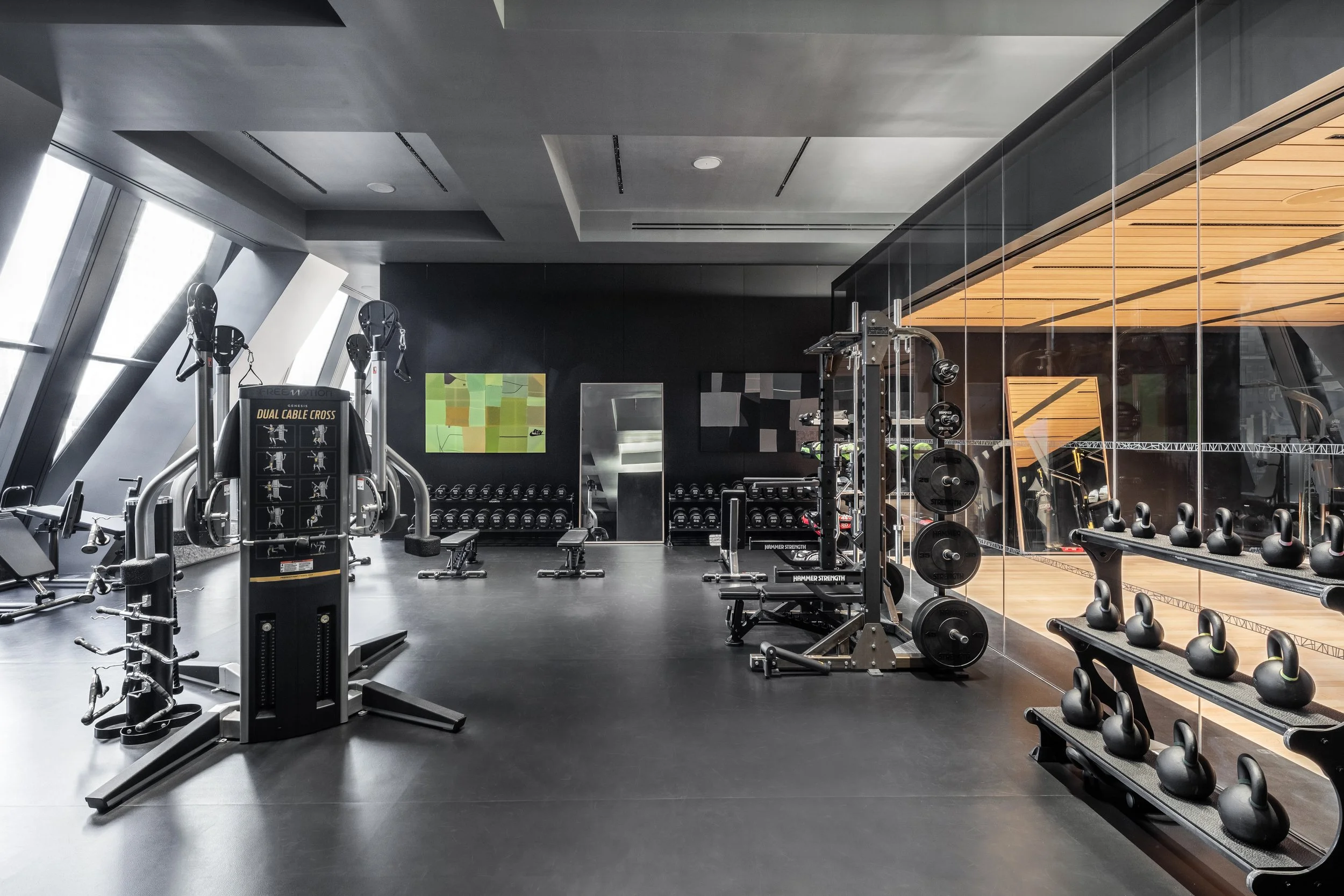
The fitness center at 53 West 53 reflects the building's commitment to luxury wellness.
I had lunch recently with a friend who has been developing real estate for a long time. We've known each other for years, and we ended up in a conversation that I think captures something important about where this industry is right now.
We were talking about wellness real estate, specifically about how dramatically it has evolved. Across luxury residential, commercial office, hotels, resorts, and mixed-use developments, wellness has moved from a line item to a central part of the investment thesis. That shift reflects something real: today's buyers, renters, tenants, and guests expect far more than a fitness center or a spa. They expect an environment that actively supports how they perform, recover, think, and live. Developers who understand this are investing accordingly, and the market is rewarding them for it.
But as the market has matured, so has its complexity. Developers now have access to an impressive network of specialists. Equipment manufacturers, spa consultants, recovery technology providers, medical partners, interior designers, and wellness advisors of every variety. Each one brings genuine expertise within their discipline. That's not the problem.
The problem is that each one also tends to view the project through the lens of their specialty, and often, through the lens of what they're selling. A recovery technology company sees a recovery suite. An equipment manufacturer sees a premium equipment package. A spa operator sees a spa program. None of them are wrong. But none of them are looking at the whole picture either.
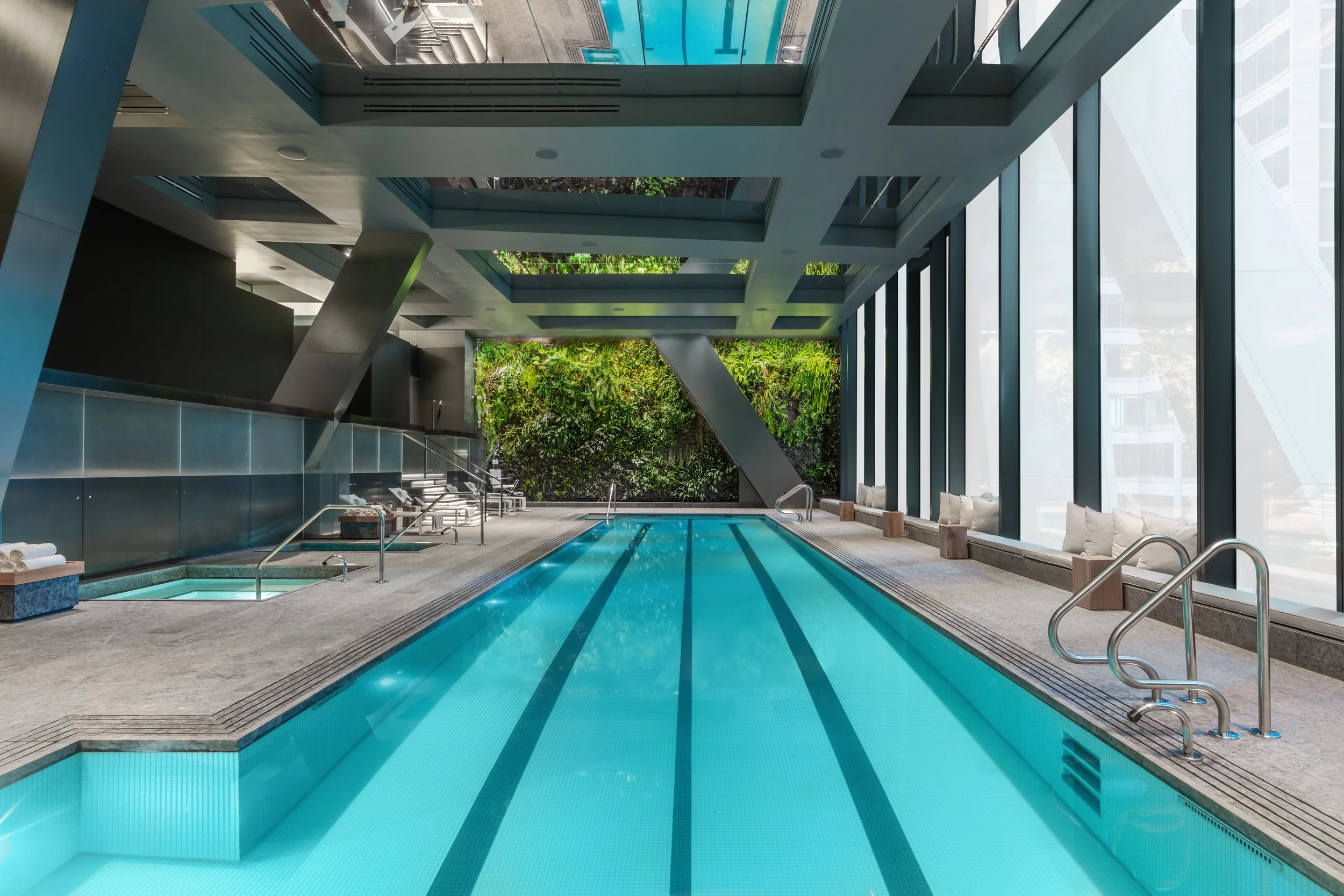
Natural light and refined design define the wellness pool at 53 West 53.
What creates a great wellness environment isn't any single component. It's how every component works together as a unified ecosystem, one that aligns with the vision of the development, serves the specific needs of its users, and generates long-term value for the asset. That kind of integration doesn't happen when everyone at the table has something to sell. It requires someone whose only loyalty is to the project itself.
That's what I'd call a true independent advisor, and it's a role that is genuinely underrepresented in how most wellness real estate projects get assembled. An independent advisor evaluates every decision from the developer's perspective. They have no financial interest in which equipment brand gets specified, which recovery modality gets prioritized, or which wellness partner gets the contract. Their job is to ask the harder questions: Does this serve the people who will actually use this building? Does this investment contribute to a coherent whole? Does this decision strengthen or dilute the overall experience?
The Wright Fit has operated in this role for nearly two decades. We don't sell equipment. We don't represent a particular technology or wellness brand. When we sit down with a developer, our responsibility is to help them make better decisions, assemble the right ecosystem of partners, and design wellness environments that perform over time. That means sometimes telling a developer not to spend money on something that looks impressive but doesn't serve the community. It means pushing back when a vendor relationship is being driven by familiarity rather than fit. It means thinking about programming and operations from day one, not as an afterthought after the build-out is done.
The developers who are building the most compelling wellness environments I've seen aren't necessarily the ones spending the most. They're the ones who started with the right questions and had someone in the room whose job was to make sure every answer served the project. That distinction matters more than most people realize, and it's the difference between a wellness amenity that generates real value and one that looks good on a floor plan but underperforms from the day it opens.
Enjoyed this? Visit TheWrightFit.com.
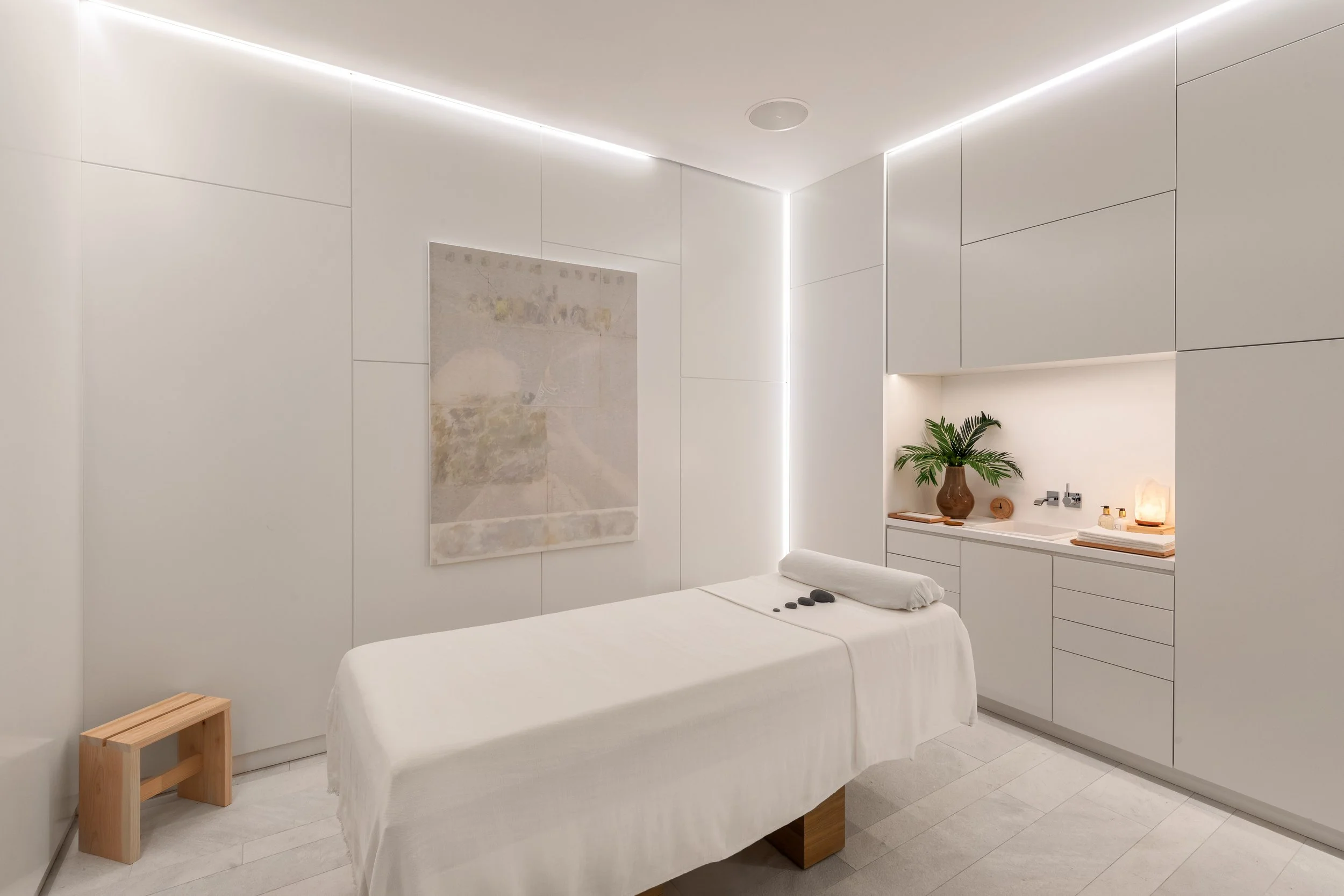
A calming treatment room designed for recovery and restorative wellness.