
Why Fitness Amenities Drive Real Estate Decisions
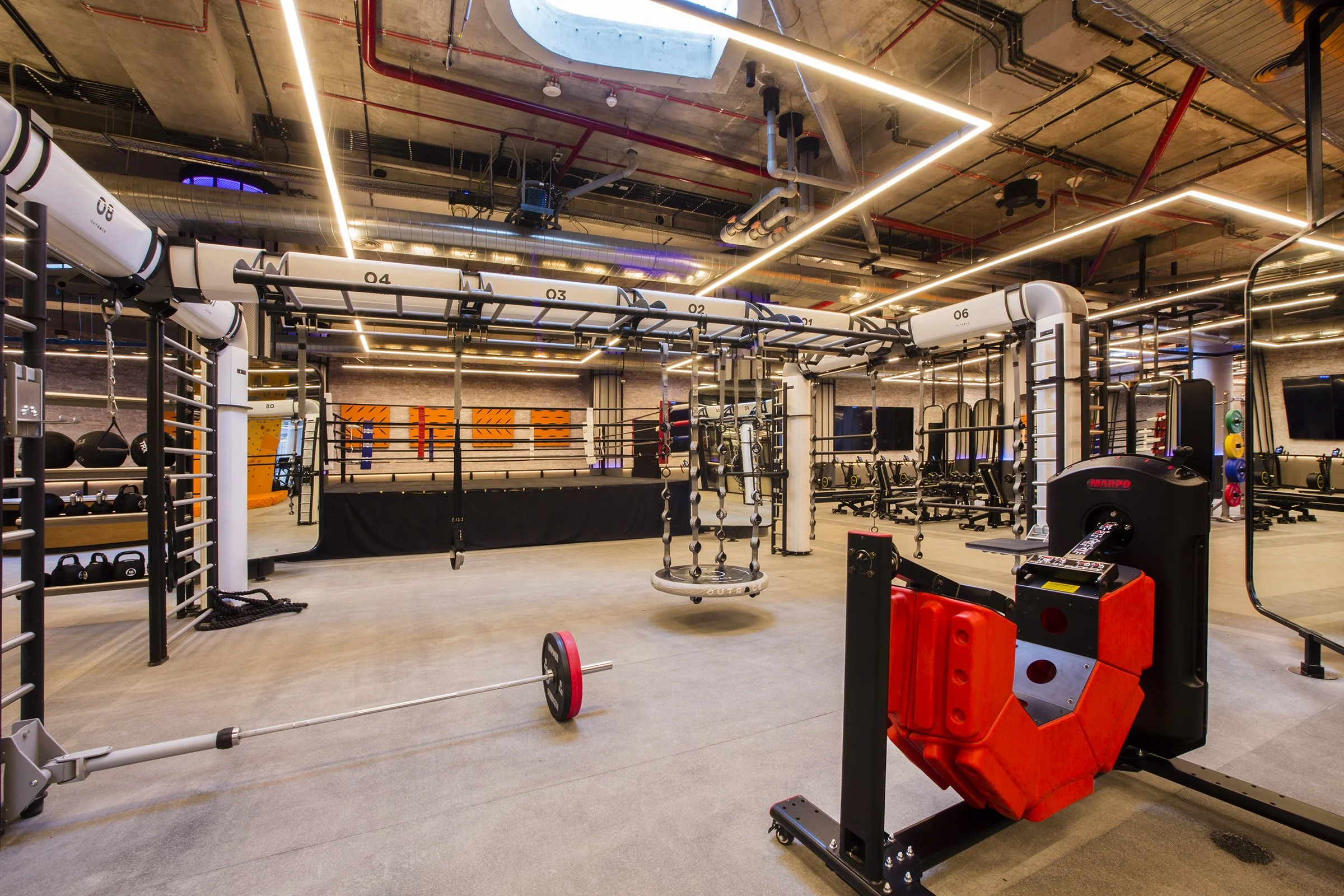
The award-winning fitness center at The Camellias, designed by The Wright Fit, reflects the growing role of wellness in luxury residential design.
There is a moment that happens in luxury real estate that most developers underestimate. A prospective buyer or renter walks through a building, sees the fitness and wellness amenity, and either feels something or does not. If they feel it, the decision accelerates. If they do not, the building has to win on other terms, and that is a harder argument to make.
I have been watching this dynamic play out for nearly two decades across more than 400 facilities. It is not a hunch. It is a pattern, and it is rooted in real human biology.
Buying and renting decisions are not purely rational exercises. People like to think they are comparing square footage and price per foot and proximity to transit, and they are doing some of that. But the underlying drivers of those decisions are biological, psychological, and social. People are responding to how a place makes them feel. They are making decisions based on whether they can picture their life there, whether the environment signals something about who they are or who they want to be. A fitness and wellness amenity that is designed with genuine intention speaks directly to all of those forces at once.
Physiology drives emotion. This is the foundation of everything I build under the CenterPoint framework, and it applies just as directly to amenity design as it does to individual performance programming. When someone walks into a fitness environment that is thoughtfully designed, properly lit, programmed with intelligence, and maintained with care, their nervous system registers it. The body responds before the brain catches up. That visceral reaction, that pull toward a place, is not marketing. It is biology.
The problem is that most developers treat the fitness amenity as a line item to minimize rather than an asset to invest in. They budget for equipment and maybe a mirror wall and call it done. Then they wonder why leasing velocity stalls or why retention drops after the first year. The amenity is the argument the building makes for itself when the sales team is not in the room. If that argument is weak, the building pays for it.
I have seen the opposite work extremely well. At 15 Central Park West, at 432 Park Avenue, at Fisher Island, the wellness amenity is treated as a core part of the building's identity. The programming is real. The design is considered. The experience is something residents actually use and talk about. That is not a coincidence. Buildings that invest in the amenity at the level it deserves tend to outperform the ones that do not, in both initial lease-up and long-term resident retention.
What makes a fitness and wellness amenity work at this level is not the equipment budget. It is the coherence of the vision behind it. Who is this resident? What does their life look like? What do they need to perform at the level they are performing at? How does recovery fit into that? How does the social dimension of a shared fitness environment play into retention? These are the questions that produce a real amenity. They are also the questions most operators and developers are not asking.
The buildings that get this right understand something the others do not. The fitness and wellness amenity is not a checkbox. It is the part of the building that does the most psychological work. It signals care. It signals investment. It tells a resident that the people who built this place thought about their actual life, not just their square footage. That signal is worth more than most developers realize, and the residents who are the target market for luxury residential absolutely pick up on it.
If you are in development and you are treating wellness as something to figure out after the building is designed, I would push back on that. The amenity should be part of the conversation from the beginning. Not because it is a trend. Because it is human nature.
Enjoyed this? Visit TheWrightFit.com.